
What Recovery Gear Should Every Off-Road Vehicle Carry?
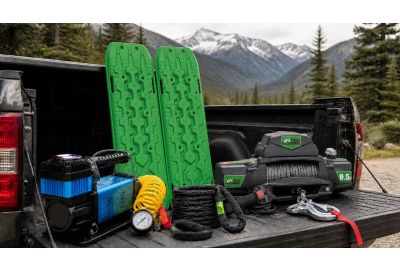
Every off-road vehicle should carry a few core recovery essentials before heading onto trails: a safe way to pull or be pulled, a way to regain traction, basic tyre support, and enough fuel and water to handle delays. For most trucks, Jeeps, and 4x4s, that means starting with proper recovery points, a strap or rope, shackles, traction boards, a jack, air support, and dependable storage for extra fuel and water.
Recovery gear is not just for extreme trail builds. It matters for daily driven 4x4s, weekend trail rigs, and overland setups alike, especially when you’re travelling in BC where conditions can change fast and cell service is not always there when you need it.
Quick takeaway
If you are building a basic recovery kit, start here:
- rated recovery points
- recovery strap or kinetic rope
- shackles
- traction boards
- shovel
- air compressor and tire deflator
- off-road jack
- gloves and a basic tool kit
- extra fuel and water
A winch becomes especially important once you start travelling solo, running tougher terrain, or heading farther from easy help.
What is recovery gear?
Recovery gear is the equipment you use to get a stuck vehicle moving again or to deal with the small problems that can leave you stranded off pavement. That can mean pulling a vehicle out of mud, sand, snow, or a rut, lifting the vehicle safely to deal with a tyre issue, or carrying the fuel and water needed to stay self-sufficient longer.
For NSOR customers, recovery gear should be chosen based on real trail use, fitment, durability, and how the vehicle is actually used, not just on what looks good in the cargo area.
The core recovery gear every off-road vehicle should carry
1. Proper recovery points
Before you think about winches or straps, make sure your vehicle has safe, rated recovery points. Recovery gear is only as safe as the point you attach it to.
This is one of the most overlooked parts of a beginner setup. A strong strap does not help much if the vehicle does not have proper places to recover from.
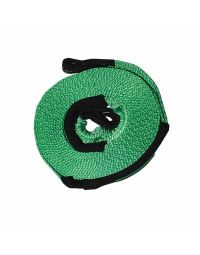
2. Recovery strap or kinetic rope
A recovery strap or kinetic rope helps when one vehicle is assisting another. It is one of the most basic items in any trail kit and often one of the first tools used in common stuck situations.
A kinetic rope can be especially useful when you need a smoother, more controlled pull. A standard recovery strap still has value for basic use and should be matched to the vehicle and recovery method.
3. Shackles
Soft shackles or properly rated hard shackles are small, easy to store, and essential for connecting gear safely. They work with straps, ropes, and some recovery points, so they are a core part of any kit.
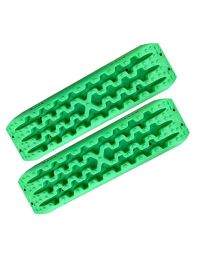
4. Traction boards
Traction boards are one of the most useful non-powered recovery tools you can carry. They help in snow, mud, sand, and loose surfaces without needing another vehicle.
They are also one of the easiest tools for beginners to use. Even a fairly mild trail build benefits from traction boards because they take up less room than many people expect and can solve a problem before it turns into a bigger recovery.
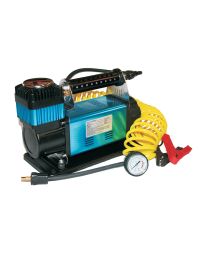
5. Air compressor and tire tools
Tire pressure matters off-road. Airing down helps with grip and ride quality on rough terrain, but you need a way to air back up before heading home.
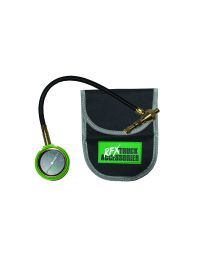
A compact compressor, tire deflator, and pressure gauge belong in a practical recovery kit. These tools also help after puncture repairs or bead issues and are often used more than some of the bigger recovery items.
6. Shovel and gloves
A shovel is simple, but it solves a lot of real trail problems. Digging out around tyres, clearing packed snow, or creating a cleaner recovery path can save a lot of effort and reduce strain on the rest of your gear.
Gloves matter too. Recovery work usually means mud, sharp edges, wet straps, and cold conditions.
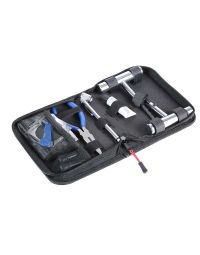
7. Basic tool kit and first-aid kit
These are not always the first things people think of when discussing recovery gear, but they belong in the same conversation. Loose hardware, battery issues, and minor trail fixes happen. A compact tool kit and first-aid kit are part of travelling prepared.
Why a winch is one of the most useful upgrades
A winch is one of the most valuable recovery tools you can add to an off-road vehicle, especially if you travel alone, wheel in more technical terrain, or want a more controlled self-recovery option. Unlike a strap-based recovery, a winch gives you a way to recover without relying on another vehicle being in the right place at the right time.
North Shore Offroad’s approved services include winch installs and bumper installs, which makes this a practical upgrade to discuss as part of a complete build rather than as a standalone add-on.
For customers looking at recovery gear brands, RFX Truck Accessories winches are one option worth considering as part of a trail-ready setup. The right choice depends on vehicle weight, mounting setup, bumper compatibility, and how demanding your trail use is.
Winch best-for summary
Best for:
- solo trail travel
- heavier trucks and 4x4s
- overland setups
- more technical recovery situations
- drivers who want more self-recovery capability
Trade-offs:
- more cost than basic recovery gear
- requires proper mounting and fitment
- adds weight to the front of the vehicle
- works best when paired with the right accessories and recovery points
Why extra fuel and water matter off-road
A lot of people think of recovery gear only in terms of straps, ropes, and jacks, but self-sufficiency is part of recovery too. Remote trails, long detours, unexpected delays, or changing conditions can all turn a short trip into a much longer one.
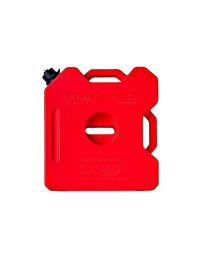
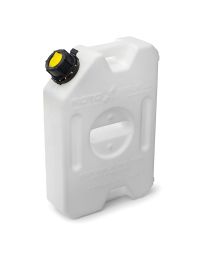
That is why RotoPax fuel and water packs are worth including in a practical off-road kit. They help you carry fuel and water in a more organised, purpose-built way, which is useful for longer trail days, overland travel, or routes where fuel stops are not close by.
RotoPax best-for summary
Fuel packs are best for:
- longer trail runs
- remote travel
- overland-style setups
- peace of mind when route timing changes
Water packs are best for:
- drinking water
- washing up after trail repairs
- cleaning hands and gear
- staying better prepared when recovery takes longer than expected
Extra fuel and water are not a substitute for planning, but they add a real safety margin when you are farther from pavement or spending full days outdoors.
Do you need an off-road jack?
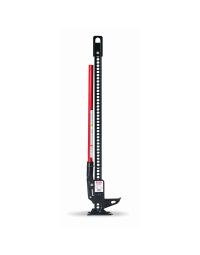
In many cases, yes. A proper off-road jack gives you another way to deal with tyre issues, uneven ground, or situations where a standard factory jack is not practical. This matters more once you move to larger tyres, suspension upgrades, or more uneven terrain.
For customers building a more traditional trail or overland kit, Hi-Lift off-road jacks are a familiar option. They can be useful, but they are not a beginner tool in the same way traction boards or a shovel are. They take space, require correct technique, and need to be used with care.
Hi-Lift jack best-for summary
Best for:
- experienced users
- vehicles with the right lifting points and setup
- trail repairs
- lifting in uneven off-road conditions
- builds where versatility matters
Trade-offs:
- requires training and care
- not ideal to use casually or without understanding proper setup
- takes planning for safe storage and mounting
A Hi-Lift can be a very capable tool in the right setup, but it should be part of a broader recovery plan, not the only answer.
What recovery gear makes the most sense for your type of build?
For a daily driven 4x4 that sees light trail use
Start with:
- recovery points
- strap or rope
- shackles
- traction boards
- shovel
- air compressor
- gloves
- first-aid kit
This gives you a practical base without overloading the vehicle.
For a weekend trail truck or Jeep
Add:
- better tire repair tools
- a more complete recovery bag
- an off-road jack
- stronger storage and mounting solutions
This is usually the point where gear organisation matters just as much as the gear itself.
For an overland setup
Prioritise:
- winch
- traction boards
- air support
- tool kit
- extra fuel
- extra water
- recovery accessories matched to vehicle weight
This is where RotoPax fuel and water packs start to make even more sense, especially when routes are longer and self-sufficiency matters more.
For more technical off-road use
Focus on:
- winch setup
- rated recovery points
- stronger bumper and mounting solutions
- jack strategy
- tire and wheel considerations
- durable, accessible storage
For these builds, fitment and installation matter. North Shore Offroad’s approved services include suspension upgrades, wheels and tyres, bumper installs, and winch installs, which fits naturally with more recovery-focused builds.
Common recovery gear mistakes
Buying gear before thinking about fitment
A winch, jack, or mount only makes sense if it matches the vehicle and how it is built.
Carrying gear you do not know how to use
This is especially true for jacks, shackles, and winch accessories. Recovery gear should build confidence, not create new risks.
Forgetting the basics
A lot of trail situations are solved with tyre pressure changes, traction boards, digging, or better planning. Not every recovery needs a powered tool.
Treating every build the same
A daily driven Tacoma, a Jeep on 35s, and a fully loaded overland truck will not need the same recovery kit. Good recovery planning is vehicle-specific and use-specific.
When professional installation or fitment help matters
Some recovery gear is easy to carry and use with minimal setup. Other gear needs proper fitment, mounting, and installation to work safely and reliably.
North Shore Offroad is positioned around off-road capability, fitment, durability, and knowledgeable local support, and its approved service list includes:
- winch installs
- bumper installs
- suspension upgrades
- wheels and tires mounting and balancing
- mechanical service and diagnostics
That makes NSOR a good fit for customers who want recovery gear that works as part of a properly thought-out build, not just a pile of parts.
FAQ
What is the most important recovery gear for beginners?
Start with the basics: recovery points, a strap or rope, shackles, traction boards, a shovel, gloves, and an air compressor. These tools handle a lot of common trail problems and are easier to use than more advanced gear.
Do I need a winch for off-roading?
Not every off-road vehicle needs a winch right away, but it becomes much more valuable if you travel solo, run harder terrain, or want stronger self-recovery capability.
Are Hi-Lift jacks worth carrying?
They can be, but mainly for drivers who understand how to use them properly and have a vehicle setup that supports safe lifting. They are useful tools, but they are not always the best first purchase.
Why carry extra fuel and water on trails?
Because delays happen. Trail conditions, route changes, weather, or recoveries can all take longer than expected. Carrying extra fuel and water helps you stay more self-sufficient and better prepared.
Can North Shore Offroad help with installation?
Yes. NSOR’s approved services include winch installs, bumper installs, suspension upgrades, and wheels and tyres services, along with fitment-focused support for trail-ready builds.
Final takeaway
The best recovery gear kit is not about carrying everything. It is about carrying the right gear for your vehicle, your terrain, and your level of trail use.
For most off-road vehicles, that starts with the basics: safe recovery connections, traction help, tyre support, and the fuel and water to stay better prepared. From there, upgrades like RFX Truck Accessories winches, RotoPax fuel and water packs, and Hi-Lift off-road jacks can make a lot of sense when they match your build and how you use it.
Talk to the North Shore Offroad team about your build, recovery gear fitment, or installation options. We can help you put together a trail-ready setup that makes sense for your truck, Jeep, or 4x4.